
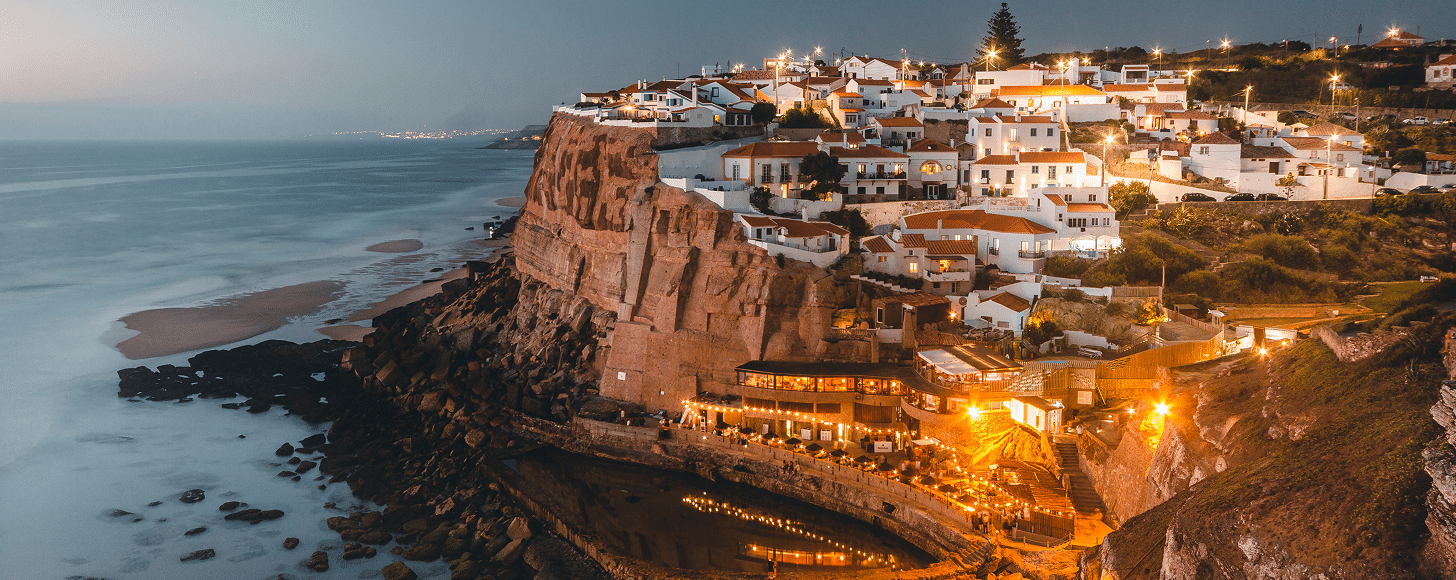
Welcoming and Full of Life
Portugal offers a high quality of life and is one of the safest countries in the world.
With a warm climate, friendly communities, and a laid-back lifestyle, it’s the perfect place to focus on your studies, research, or Erasmus adventure.
Portugal
in numbers
Discover Portugal’s culture, lifestyle, and all the practical information international students need to feel at home and make the most of their experience
Portugal at a Glance
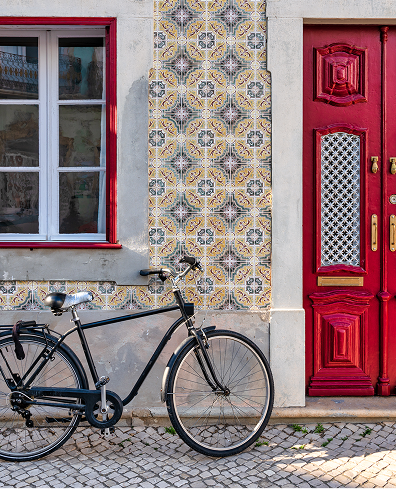
Hospitality
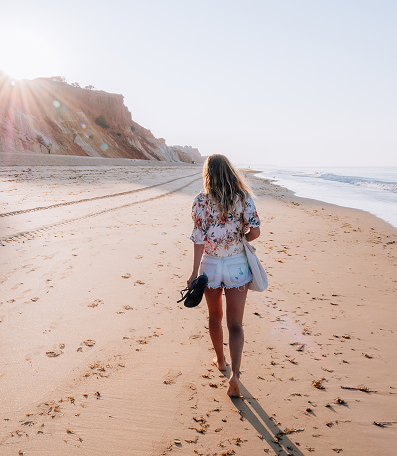
Climate

Sea & Nature
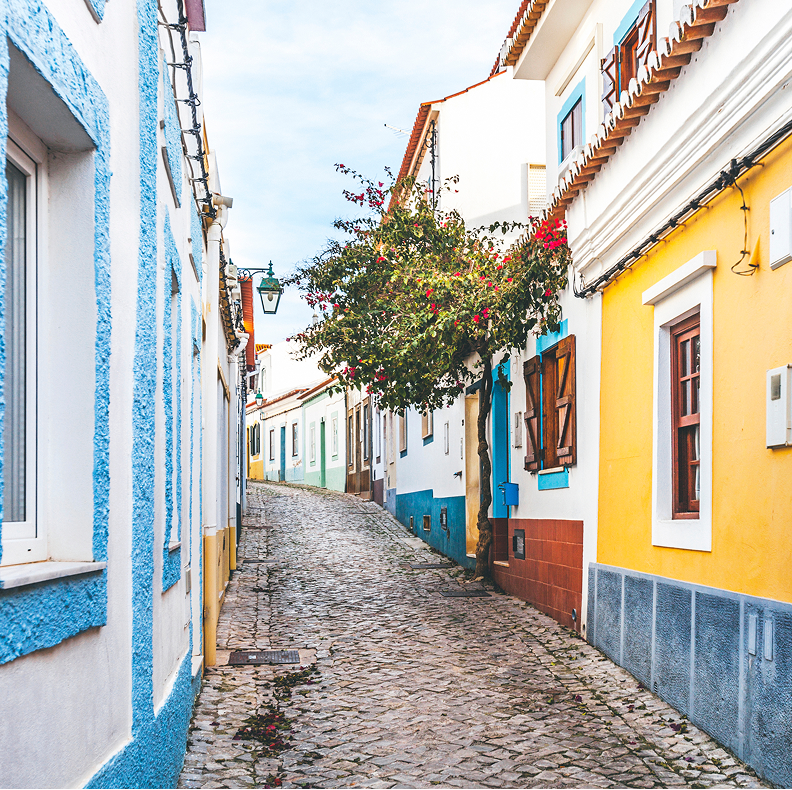
Cost of Living
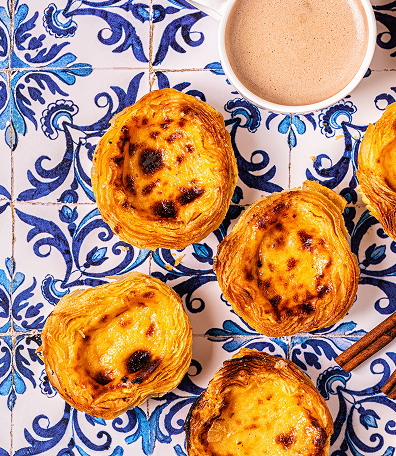
Gastronomy
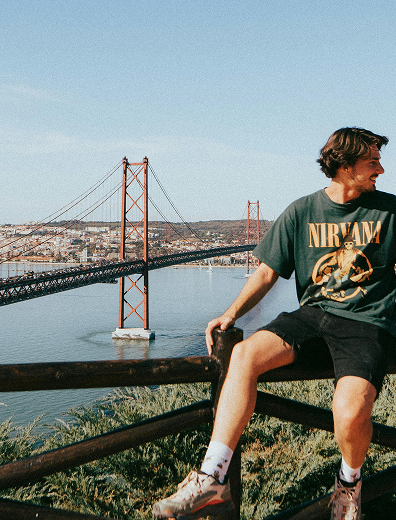
EU Member

Sports
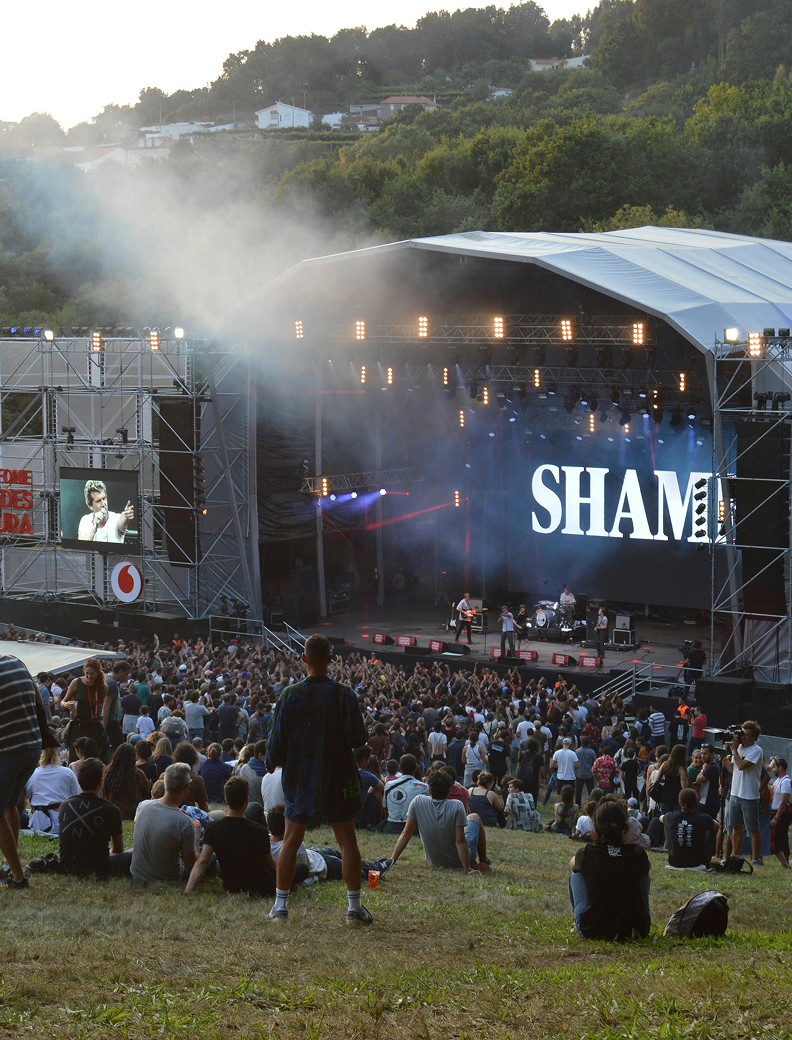
Fun & Festivals
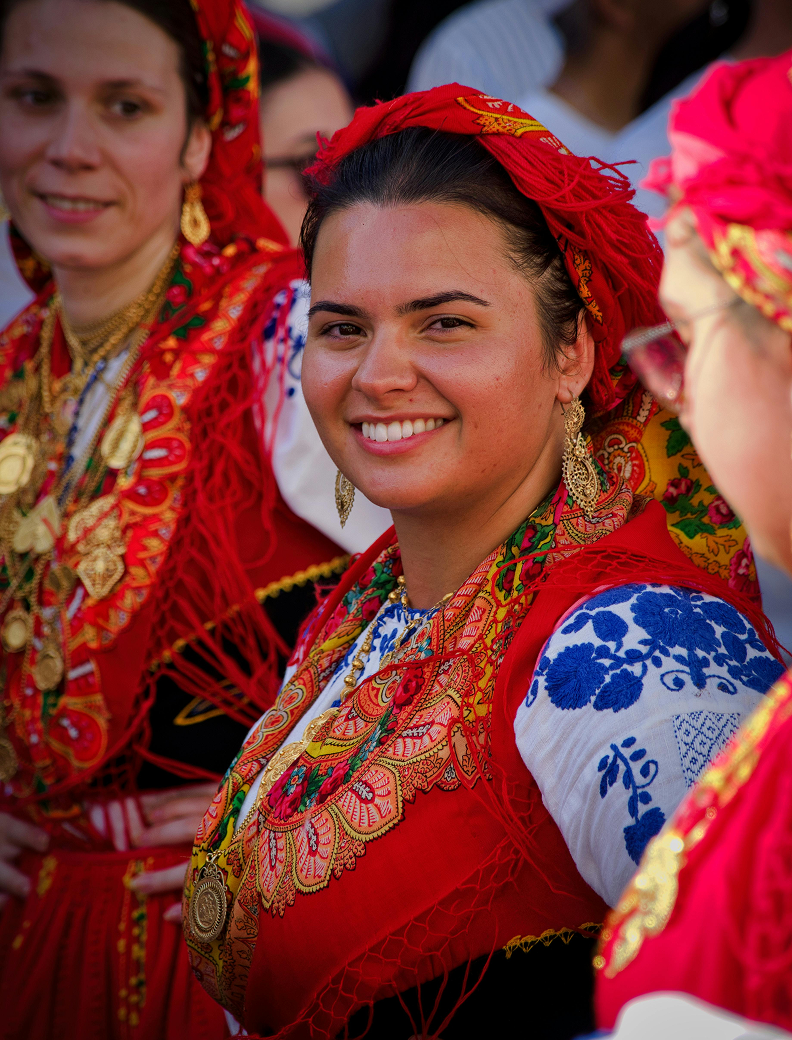
Unique Traditions
Hospitality
Climate
Sea & Nature
Cost of Living
Gastronomy
EU Member
Sports
Fun & Festivals
Unique Traditions
Fun Facts about the Portuguese

Desenrascar
The Portuguese have a unique way of dealing with unexpected (or postponed) problems: “desenrascar”. It’s a subtle art of overcoming a challenge, even without a plan and with few resources, through pure improvisation and creative thinking.

Saudade
We cherish the bittersweet feeling of longing for someone or something, sometimes without even knowing precisely what. “Saudade” is an untranslated word for a deep emotional state of melancholy, love and tenderness.

Cafézinho
The whole country loves diminutives, adding the suffix “-inho” to almost everything. Ordering a coffee? “Café” becomes “cafézinho”. It’s our way of being friendly, caring, and welcoming to everyone.
Portugal Up Close

A Different Way of Living
Portuguese people are known for their open, friendly nature, creating an environment where genuine connections flourish. This slower pace of life offers less stress and more time for what matters: seaside walks, meaningful conversations with neighbours and coffee breaks with friends and colleagues.
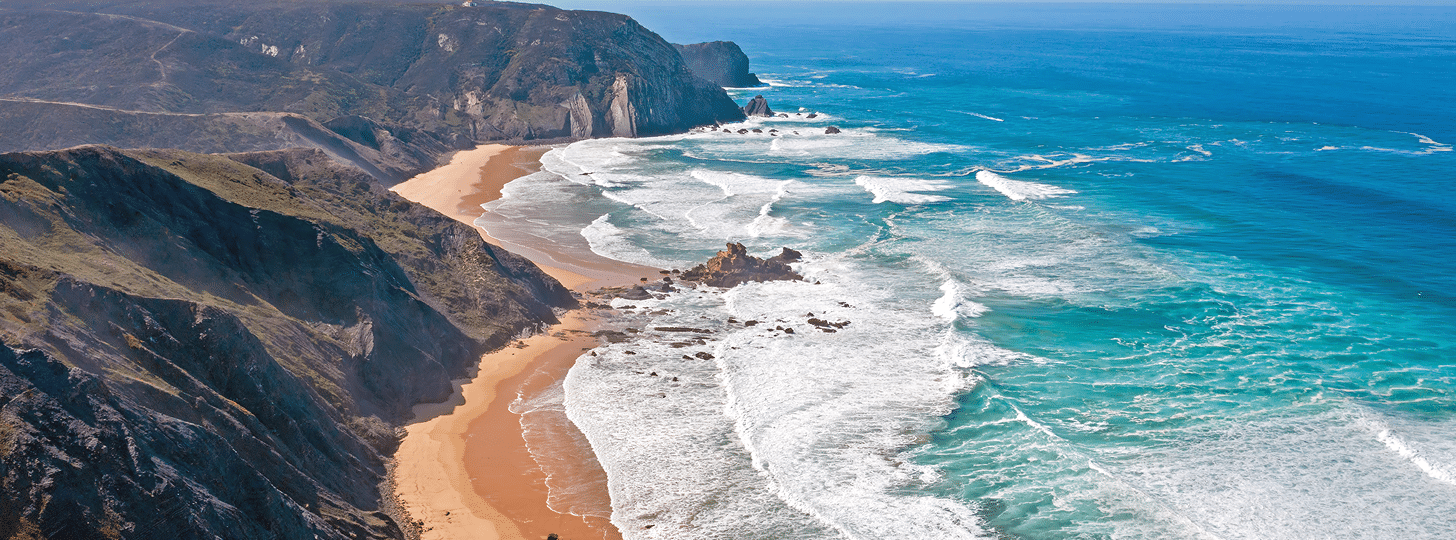
Sea of Wonders
Awarded the title of World's Leading Destination for three consecutive years, the country shines with 850 kms of splendid beaches bathed by the Atlantic Ocean. Whether you're catching waves at legendary surf spots like Peniche, exploring dramatic cliffs or simply relaxing on golden sands, Portugal's coastline offers endless opportunities for adventure and relaxation.
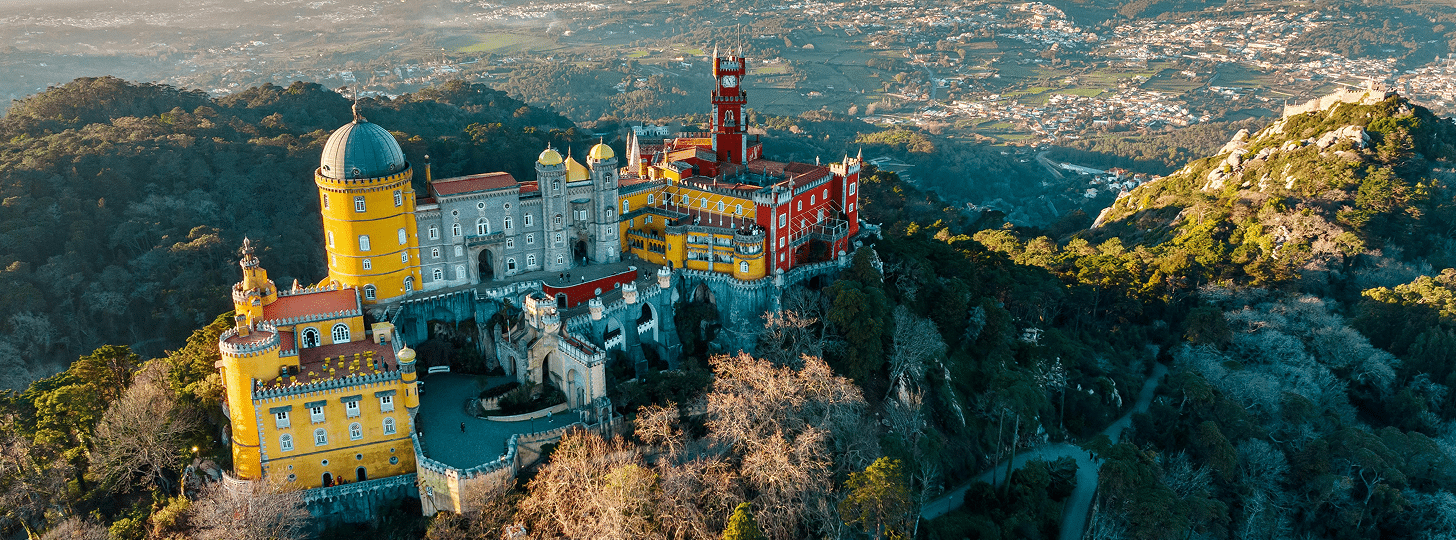
Land of Heritage
With 17 UNESCO World Heritage Sites, Portugal stands as a living museum of European history. From the fairy-tale palaces of Sintra to the mystical Convent of Christ in Tomar, these protected landmarks showcase the country's rich cultural legacy spanning Roman, Moorish, and Christian influences.
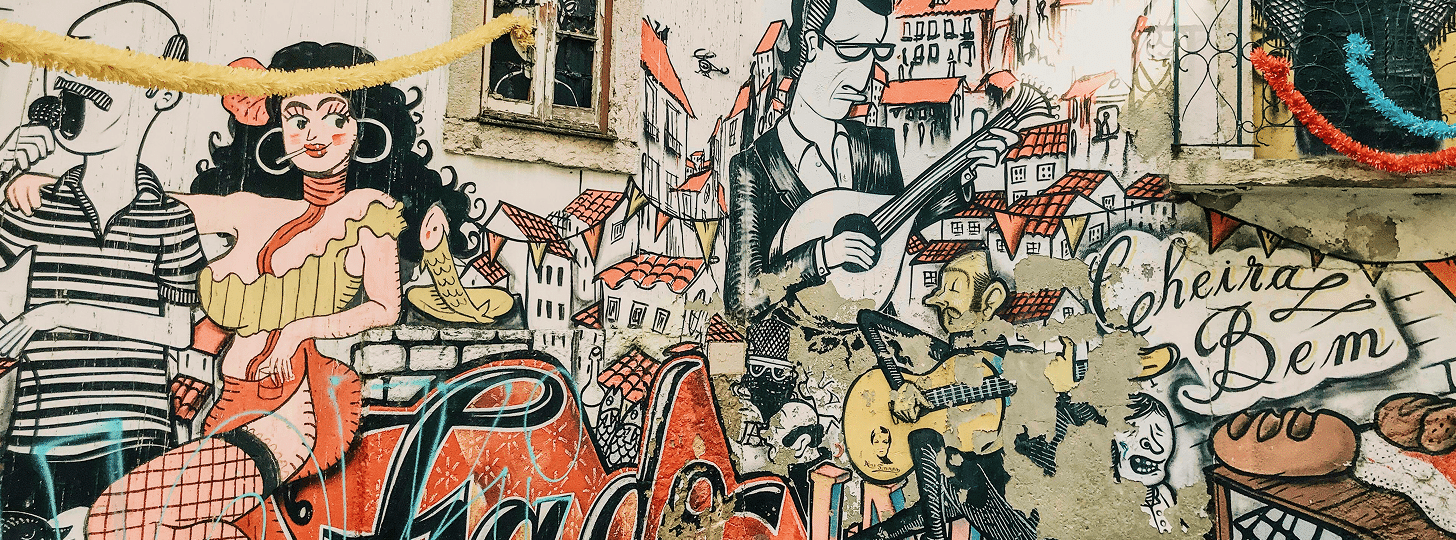
A Soulful Country
In Portugal, culture flows like poetry through daily life. The soulful strains of Fado echo through cobblestone streets, while football unites generations in shared celebration. From intimate traditional performances to massive music festivals that draw international crowds, the country pulses with an authentic cultural energy.
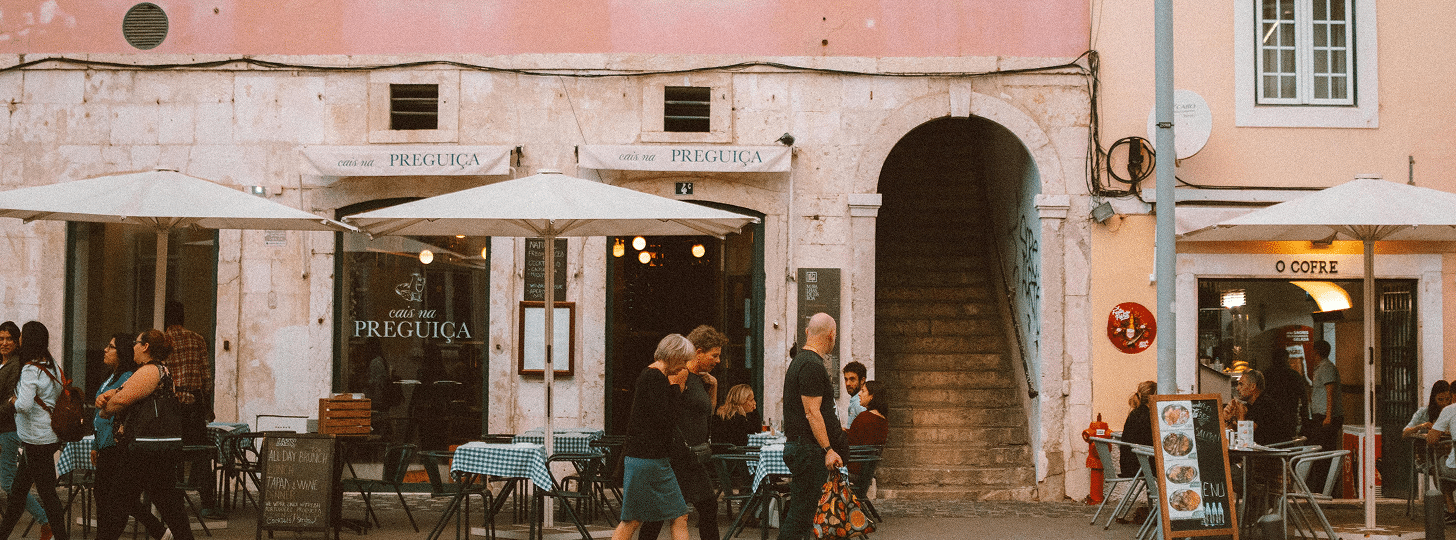
European Lifestyle with a Distinctive Charm
Home to some of Europe’s most captivating cities, each with its own rhythm and appeal, Portugal blends historic architecture with a new wave of cafés, design studios and cultural spaces, spread across diverse neighborhoods where the traditional meets the creative.
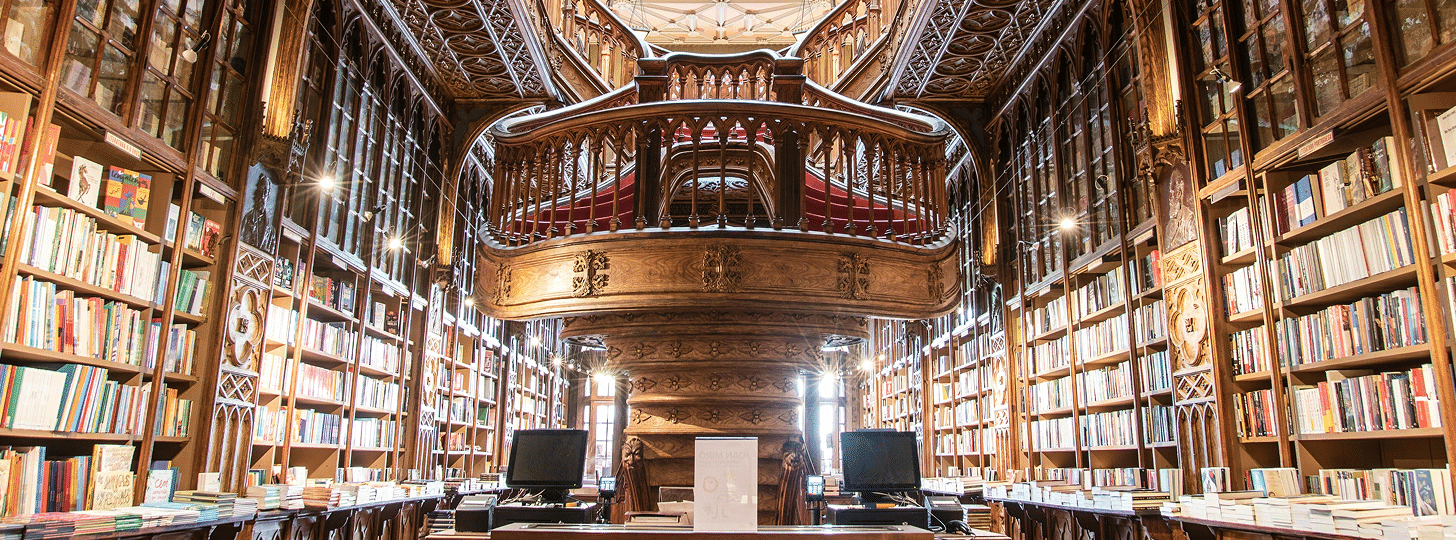
The Portuguese Language
Spoken by over 280 million people worldwide, Portuguese carries the literary legacy of extraordinary poets who shaped its essence. Camões immortalized the language in epic verse, Pessoa explored its philosophical depths, and Sophia de Mello Breyner revealed its lyrical grace, transforming Portuguese into one of the world's most expressive and poetic languages.
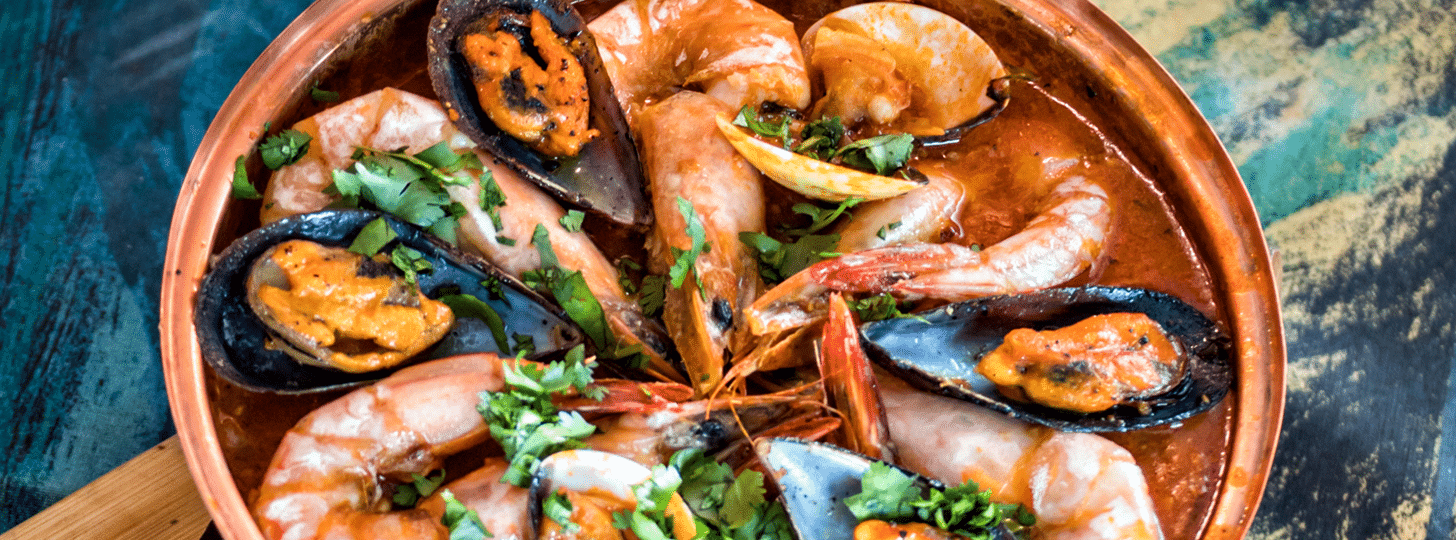
Table of Pleasures
In Portugal, dining is a celebration of life itself. Whether enjoying fresh seafood grilled over charcoal, hearty stews paired with regional wine, or sweet pastéis de nata, every meal becomes a moment of connection. Portuguese cuisine blends Atlantic flavors with centuries-old traditions, creating dishes that bring families and friends together around tables where time slows down.

Student Traditions
Portugal’s rich academic traditions create a unique experience, from the iconic black capes worn by students to the centuries-old Tuna performances that serenade through historic city streets. The famous Queima das Fitas tradition marks the end of academic years with colorful parades, concerts, and festivities that unite entire student communities in joyful celebrations.
A Deeper Look:
History & Identity
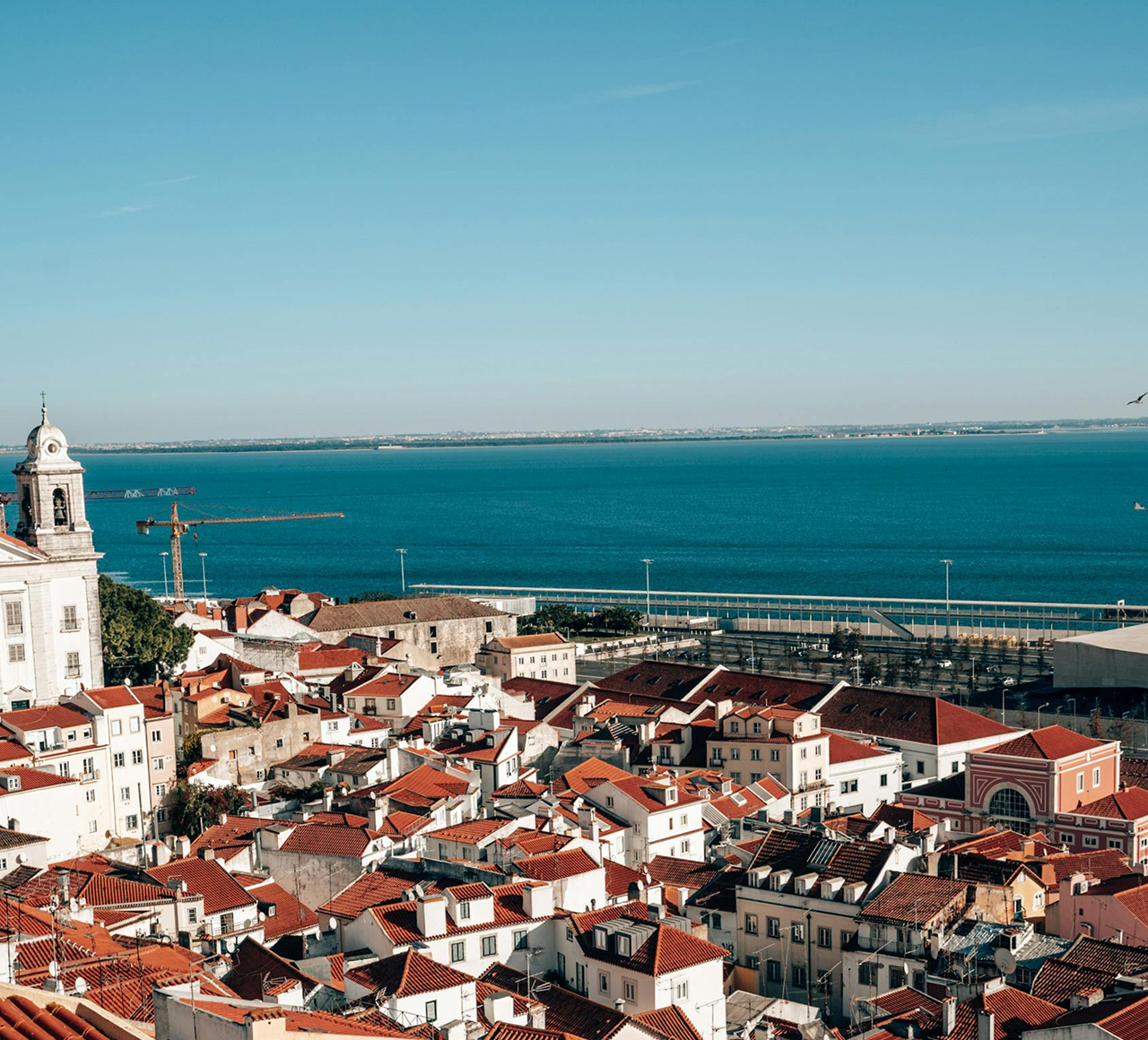
Atlantic Identity
Portugal’s identity is deeply shaped by the Atlantic. As a nation of around 10 million people, its territory includes the continental mainland and the Atlantic archipelagos of the Azores and Madeira.
From the lush mountains of the North to the plains of the Alentejo and the cliffs of the Algarve, the landscape reflects a rich diversity.
Strategically positioned between Europe, Africa, and the Atlantic routes to the Americas, Portugal has played a key role in global connections, with a history shaped by travel, trade, and exploration.
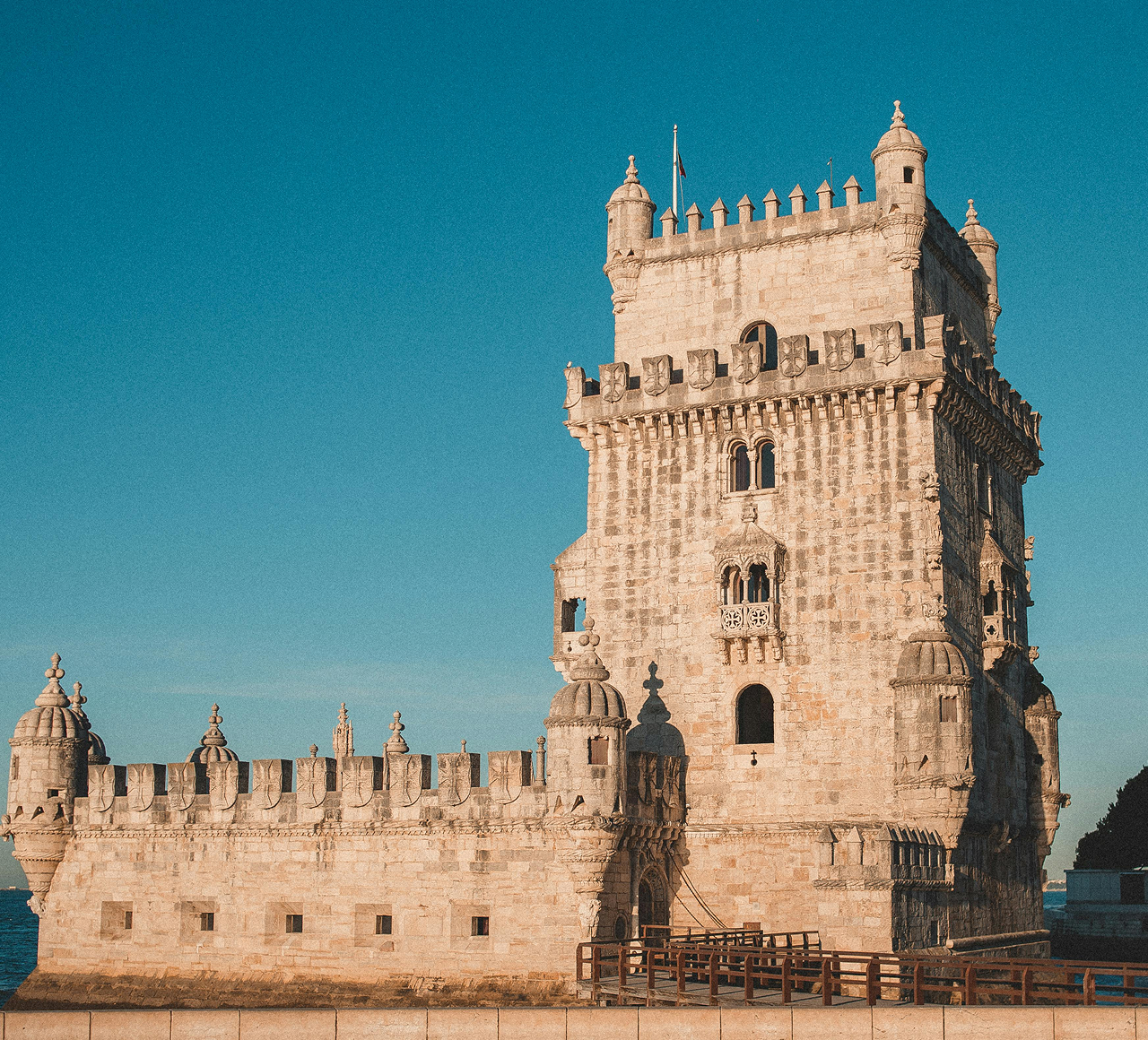
Nine Centuries of History
Founded in 1143, Portugal is one of the oldest independent nations in Europe, with its mainland borders largely established by the late 13th century.
This early stability enabled the country to play a pioneering role in the maritime exploration of Africa, India and Brazil, a period often associated with “giving new worlds to the world”.
After a period of dictatorship in the 20th century, the Carnation Revolution of April 25, 1974, marked a decisive return to democracy. Largely peaceful, the revolution restored civil liberties and initiated a profound political, social,
and economic transformation. Today, the red carnation remains a symbol of freedom and democratic values.

Stability & Innovation
Since the restoration of democracy in 1974 and its accession to the European Union in 1986, Portugal has consolidated its position as a stable democratic state based on the rule of law.
Its political system combines a directly elected President with a parliamentary government led by the Prime Minister, reflecting a well-established democratic framework.
As a member of the United Nations, NATO, and the OECD, the country has developed a modern, service-oriented economy. In recent years, Portugal has also emerged as a growing hub for innovation and technology, supported by skilled talent, improving infrastructure, and an increasingly dynamic entrepreneurial ecosystem.
Religious Freedom
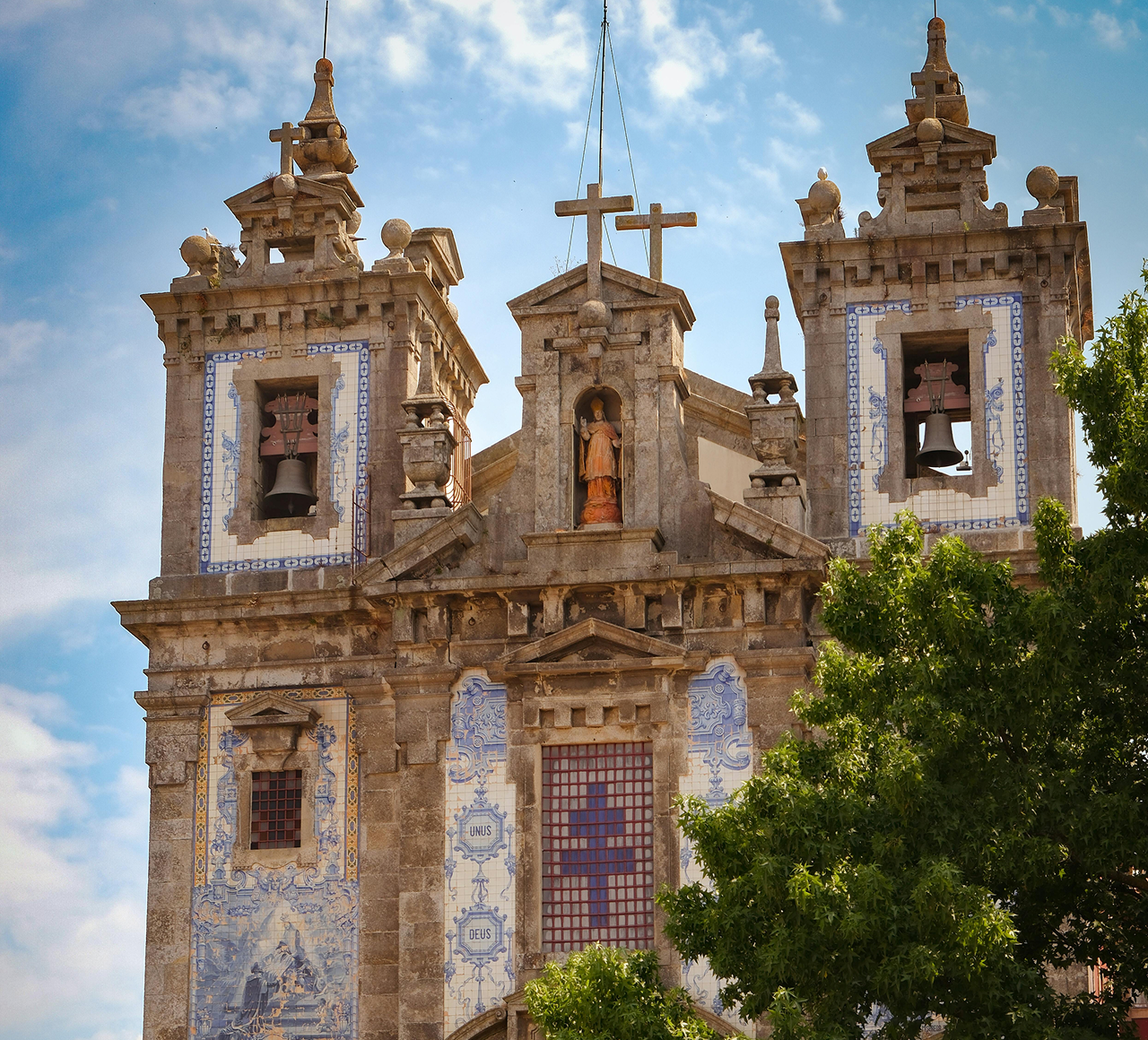
Portuguese culture reflects a long history of contact with different peoples and regions. While Catholicism has played a significant historical role and shaped much of the country’s cultural heritage, religious freedom is firmly established today.
This openness is reflected in a society that values coexistence and diversity. Portugal balances a strong sense of historical identity with a contemporary commitment to inclusiveness and social stability.