© 2026 Study & Research in Portugal
Now that you have chosen Portugal, check useful information before you travel. Find out more about living in Portugal, prepare your stay, gather all documents, and get the most out of your experience.
By Air: Airports in Lisbon, Porto, Faro, Madeira, Azores.
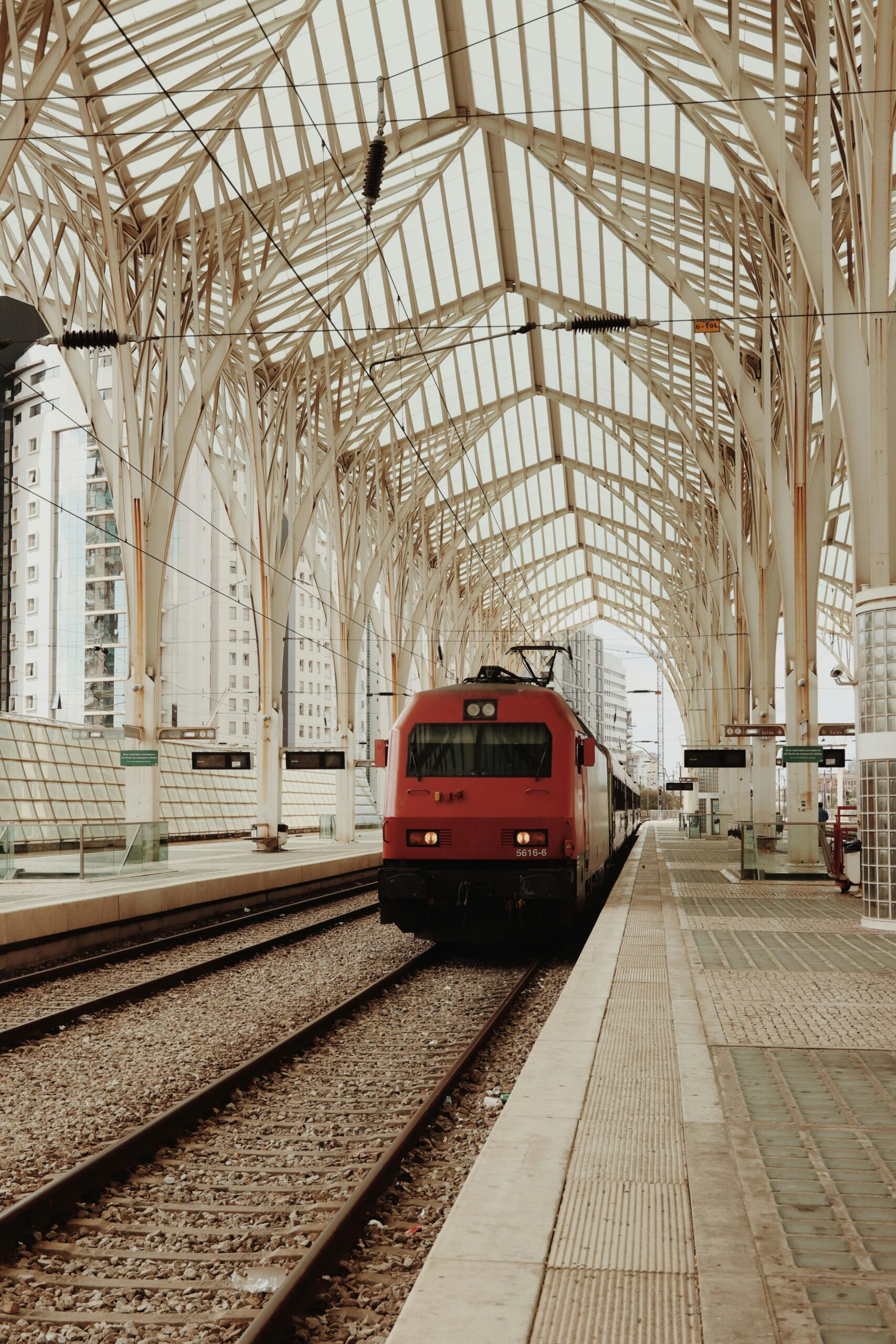
By Train: “Comboios de Portugal”. Includes connections to Vigo, Madrid and Paris.
By Bus: National Express Bus Network “Rede Nacional de Expressos” and FlixBus.
Taxis: Network that serves the whole country. Other services like UBER and Bolt available.
Metro: Lisbon and Porto from 6am to 1am.
Bicycles and transport-sharing: Public bike-sharing systems available, such as Gira in Lisbon and BUGA in Aveiro. Private rental services, as Lime and Bolt, also operate in the country.
The official currency is the Euro (€). As a member of the European Union, Portugal adopted the Euro in 2002. This currency makes daily transactions simple, and you’ll find that many everyday expenses are budget-friendly; for example, a meal at a budget restaurant typically costs €8-€12, and a coffee (espresso) is usually €0,80-€1.20.
Portugal offers a high-quality National Health Service (SNS). All foreigners are entitled to medical assistance at public facilities, and legal residents can obtain an SNS user number for full access to the services.
Citizens from the EU/EEA (Iceland, Liechtenstein, Norway, and Switzerland) should carry their European Health Insurance Card (EHIC) to ensure smooth access to healthcare services.
1 Jan – New Year; 25 April – Freedom’s Day; 1 May – Labour’s Day; 10 Jun – Portugal Day; 15 Aug – Assumption Feast; 5 Oct – Establishment of the Republic; 1 Nov – All Saints Day ; 1 Dec – Restauration of the Independence; 8 Dec – Immaculate Conception; 25 Dec – Christmas. Moveable Holidays: Good Friday, Easter, Corpus Christi. Optional Holiday: Carnival. Other regional holidays (like “Santos”) vary according to the region of the country.
When driving in Portugal, remember to drive on the right side of the road. A driving license is issued from the age of 18. Required documentation includes your Personal ID, Driving License, Insurance Certificate, and Vehicle Registration. For safety, seat belt use is mandatory for all occupants, and mobile phone use while driving is strictly prohibited unless using a hands-free device.
The student card unlocks significant savings across the country, starting with public transport, where students can access the new €20 monthly national rail pass for unlimited travel. University life is more affordable thanks to nutritious meals at campus canteens, which typically cost between €2.50 and €5. Beyond basics, your student ID provides reduced entry to museums, cinemas, and various entertainment venues.
By Air: Airports in Lisbon, Porto, Faro, Madeira, Azores.
By Train: “Comboios de Portugal”. Includes connections to Vigo, Madrid and Paris.
By Bus: National Express Bus Network “Rede Nacional de Expressos” and FlixBus.
Taxis: Network that serves the whole country. Other services like UBER and Bolt available.
Metro: Lisbon and Porto from 6am to 1am.
Bicycles and transport-sharing: Public bike-sharing systems available, such as Gira in Lisbon and BUGA in Aveiro. Private rental services, as Lime and Bolt, also operate in the country.
The official currency is the Euro (€). As a member of the European Union, Portugal adopted the Euro in 2002. This currency makes daily transactions simple, and you’ll find that many everyday expenses are budget-friendly; for example, a meal at a budget restaurant typically costs €8-€12, and a coffee (espresso) is usually €0,80-€1.20.
Portugal offers a high-quality National Health Service (SNS). All foreigners are entitled to medical assistance at public facilities, and legal residents can obtain an SNS user number for full access to the services.
Citizens from the EU/EEA (Iceland, Liechtenstein, Norway, and Switzerland) should carry their European Health Insurance Card (EHIC) to ensure smooth access to healthcare services.
1 Jan – New Year; 25 April – Freedom’s Day; 1 May – Labour’s Day; 10 Jun – Portugal Day; 15 Aug – Assumption Feast; 5 Oct – Establishment of the Republic; 1 Nov – All Saints Day ; 1 Dec – Restauration of the Independence; 8 Dec – Immaculate Conception; 25 Dec – Christmas. Moveable Holidays: Good Friday, Easter, Corpus Christi. Optional Holiday: Carnival. Other regional holidays (like “Santos”) vary according to the region of the country.
When driving in Portugal, remember to drive on the right side of the road. A driving license is issued from the age of 18. Required documentation includes your Personal ID, Driving License, Insurance Certificate, and Vehicle Registration. For safety, seat belt use is mandatory for all occupants, and mobile phone use while driving is strictly prohibited unless using a hands-free device.
The student card unlocks significant savings across the country, starting with public transport, where students can access the new €20 monthly national rail pass for unlimited travel. University life is more affordable thanks to nutritious meals at campus canteens, which typically cost between €2.50 and €5. Beyond basics, your student ID provides reduced entry to museums, cinemas, and various entertainment venues.
Mastering the language will not only help you navigate daily life but also allow you to fully immerse yourself in the local culture.

Start early online with Camões I.P or through the Erasmus+ OLS platform. Check your home country for Portuguese State-supported Lectureships and cooperation agreements.

Enroll in "Portuguese as a Foreign Language" (PLE) at Higher Education Institutions or join private language schools for intensive, tailored training.

Access the free "Portuguese for All" (PPT) program or explore low-cost courses offered by Municipalities and the High Commission for Migration (ACM).
To study or research in Portugal it is necessary to find a home away from home that fits your necessities.
Learn more about types of accommodation and gather useful information about costs of living.

Housing Options
The most affordable choice (typically 150€ – 400€/month). These residences offer a safe, community-focused environment. Since spots are limited and fill up quickly, we recommend applying early. Contact your host institution directly for application details and deadlines.
Housing Options
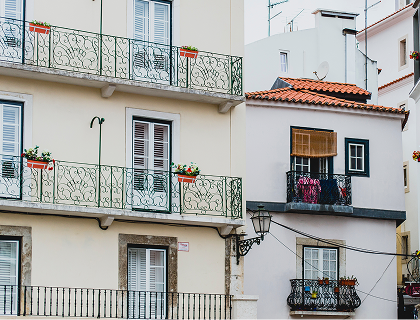
Rent a studio or a full apartment for total privacy and flexibility. While this is the most expensive option (500€ – 1200€+/month), it allows you to choose your preferred neighborhood. Prices vary greatly by city, and a formal lease contract is essential for your residence permit.

Housing Options
The most popular choice for international students. Sharing a flat with locals or peers is a great way to reduce costs (usually 250€ – 650€/month) and immerse yourself in Portuguese culture. Platforms like Uniplaces or Idealista are great starting points.
Tips & Useful Information
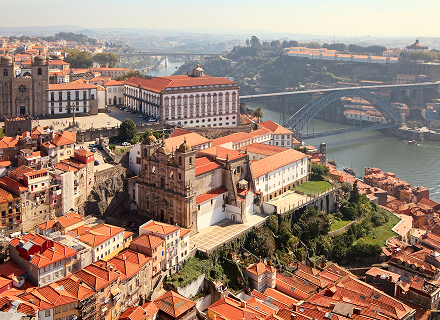
Prices vary significantly by city: Lisbon and Porto are the most expensive, while smaller university towns offer more budget-friendly options. When budgeting, check if utilities (water, electricity, gas) are included. On average, expect to spend 200€ – 300€ on groceries, 2.50€ – 5€ for canteen meals, and 25€ – 50€ for a gym membership.

Tips & Useful Information
Start 2–3 months early. Use trusted portals such as Idealista, Uniplaces or OLX, and check university bulletin boards. We recommend choosing verified accommodation or using platforms that offer payment protection. If you are already in Portugal, always visit the place in person before making any long-term commitment.

Tips & Useful Information
Never transfer a deposit without a written contract or seeing the place first (via video call or in person). Clarify whether “expenses included” truly covers everything (WiFi and other utilities). To avoid scams, be cautious of prices that seem too good to be true. For peace of mind, consider booking a hostel or Airbnb for your first week so you can inspect long-term options locally.

Other Costs
Private consultation*: 40€ – 80€
Emergency private care*: 100€+
Sports/ gym: 25€ – 50€
*Cost free in the public system.

Other Costs
Monthly pass: 30€ – 60€
Bus / Metro ticket: 1,50 € – 2€
Tram ticket (tourist lines): 3€ – 4€
Train (Lisbon–Porto): 25€ – 60€
Other Costs
Museums: 0€ – 15€
Cinema: 7€ – 10€
Theatre: 10€ – 30€
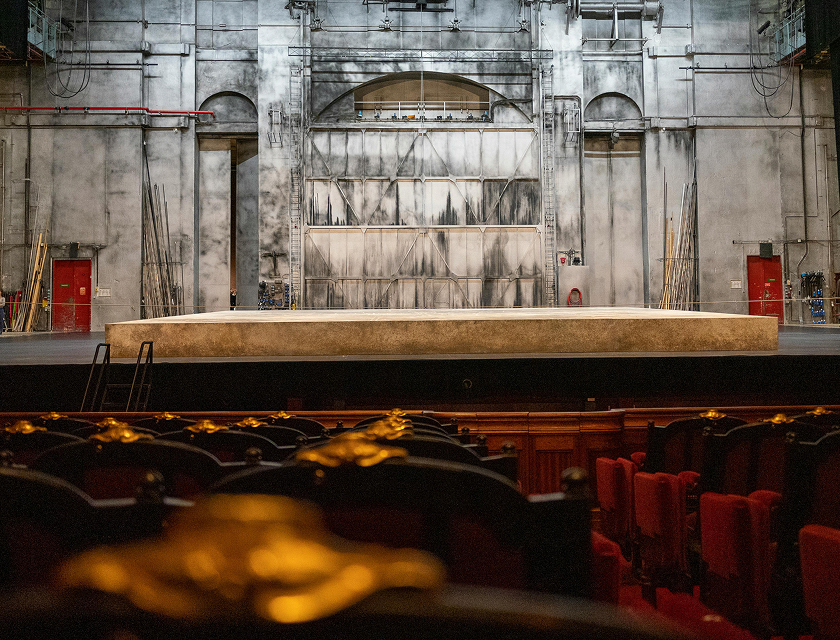
Concert/ Opera/ Ballet: 15€ – 75€
Select your city and type of accommodation to get an estimate of monthly expenses.
...
Select a district to view universities and polytechnics on the map, and discover nearby cultural highlights.
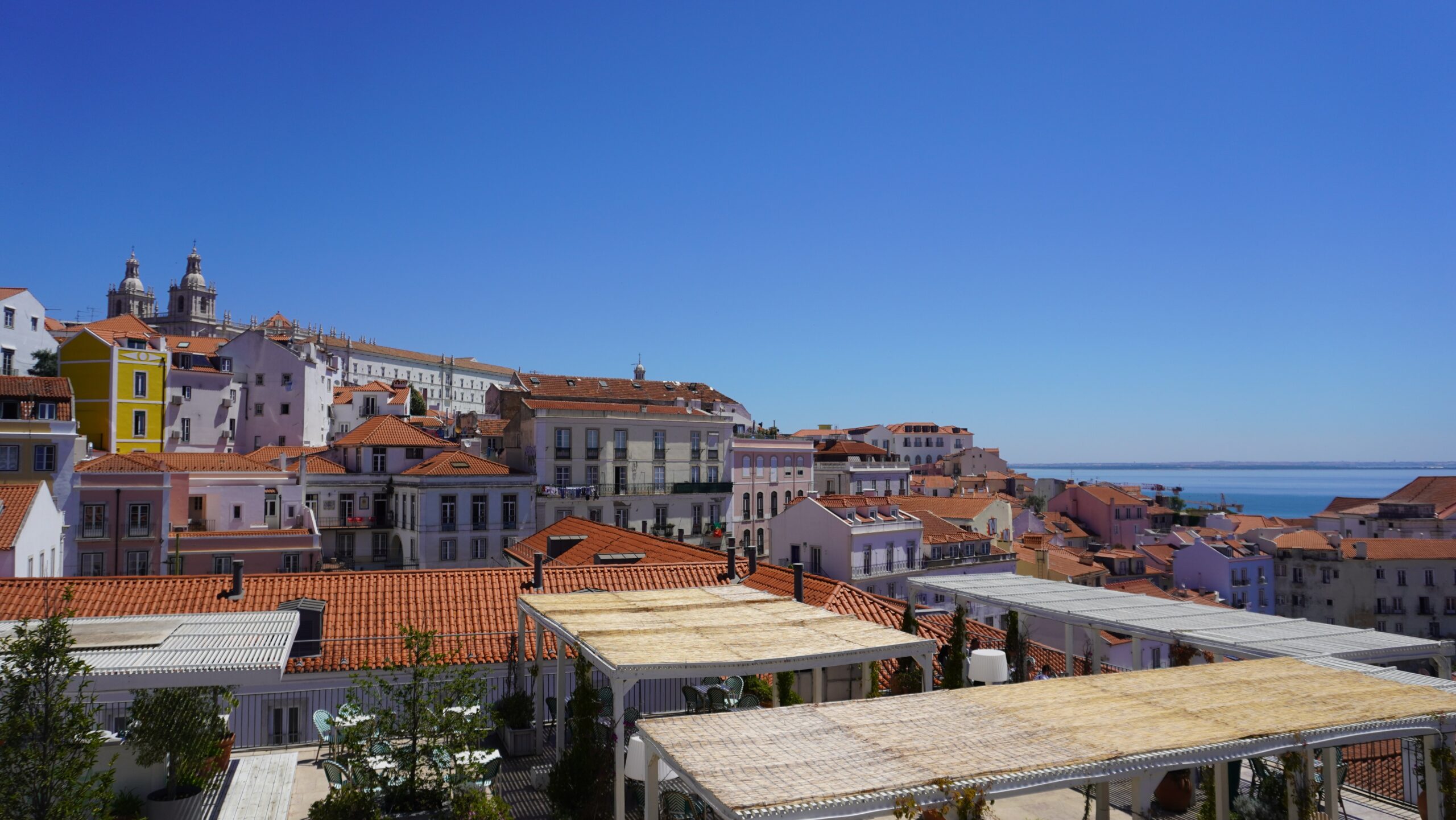
Alfama
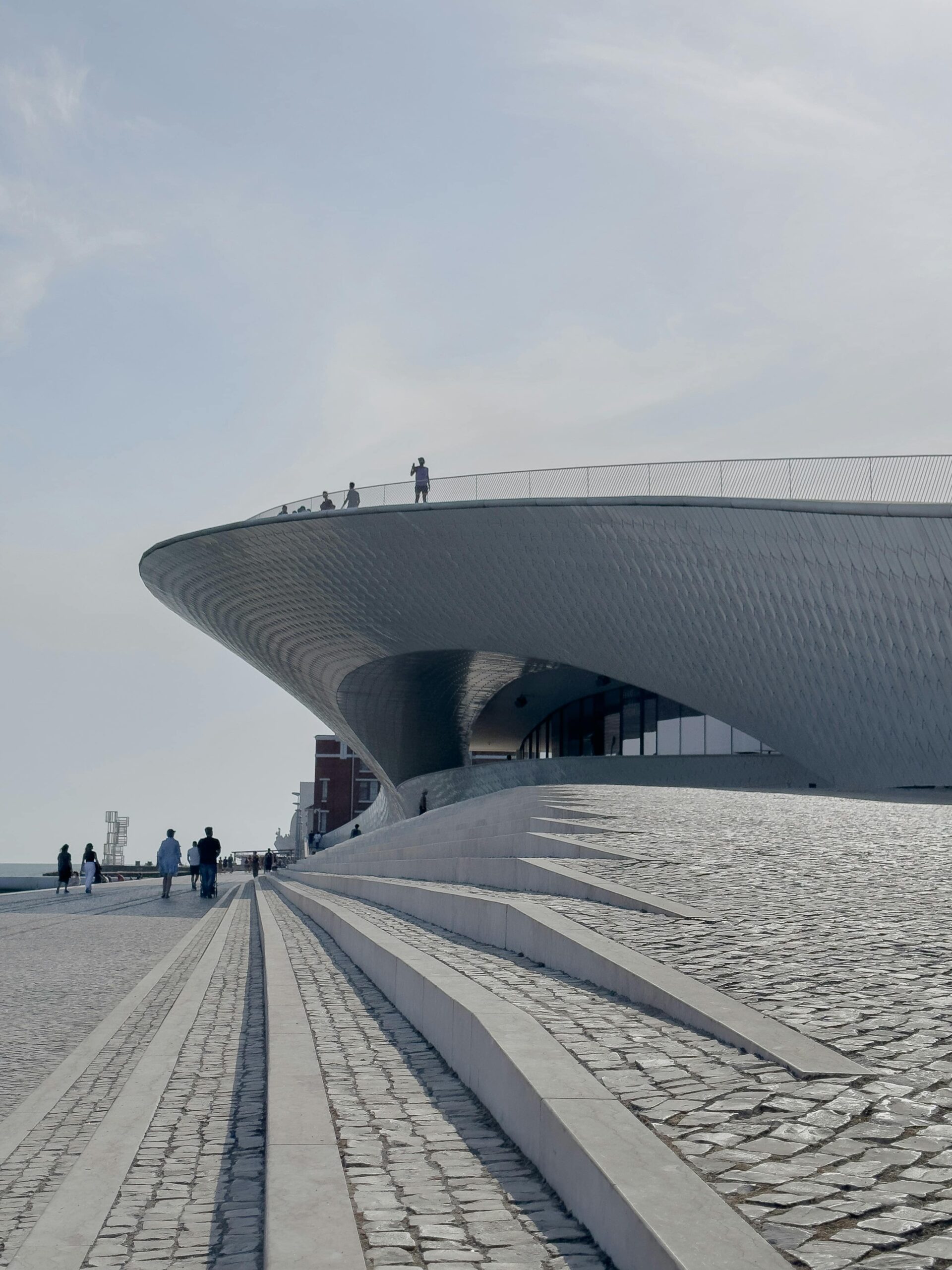
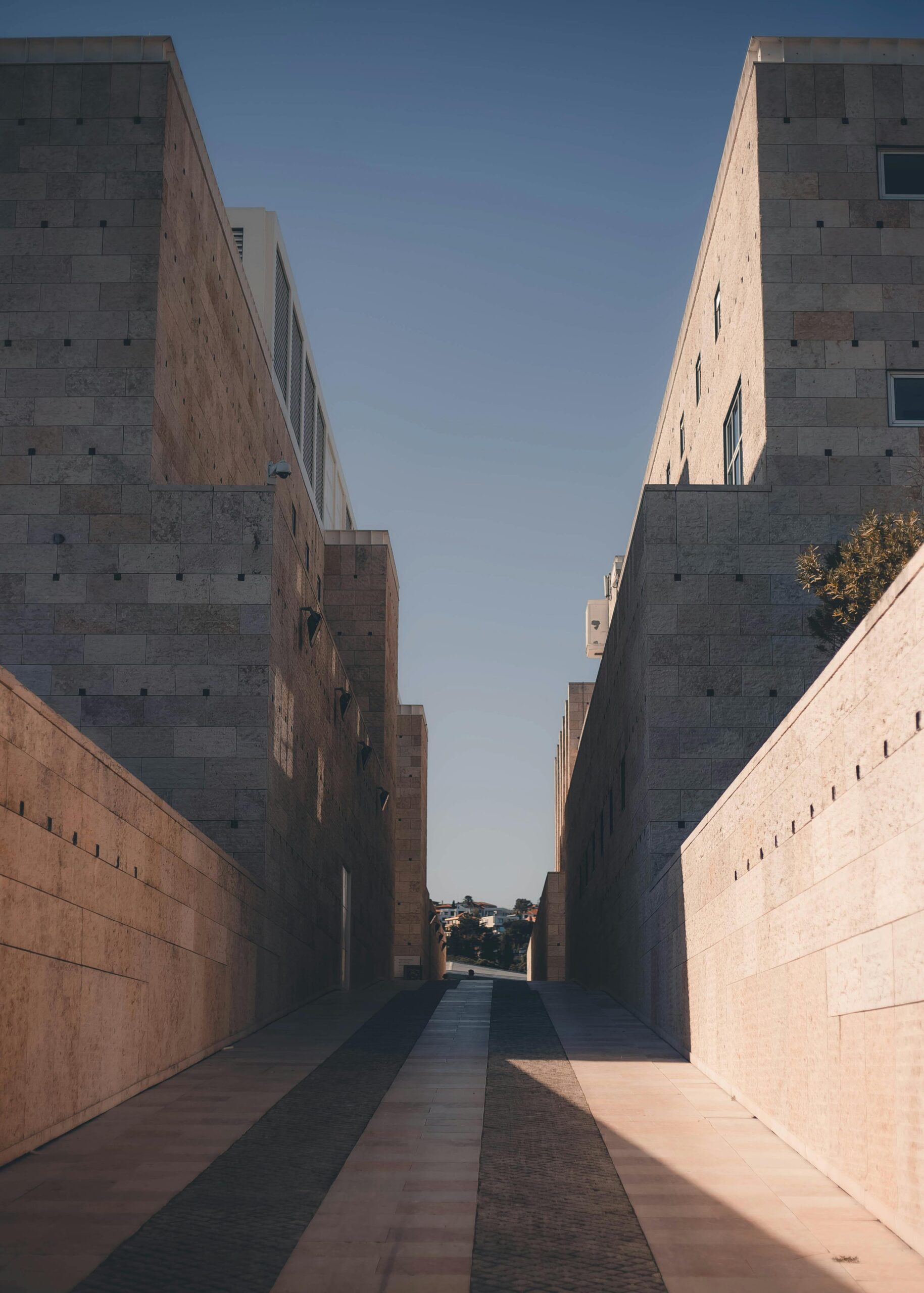
Belém
Belém
Alfama
Belém
Belém
Alcantara
Cais do Sodré
Cais do Sodré
Alcantara
Cais do Sodré
Cais do Sodré
Belém
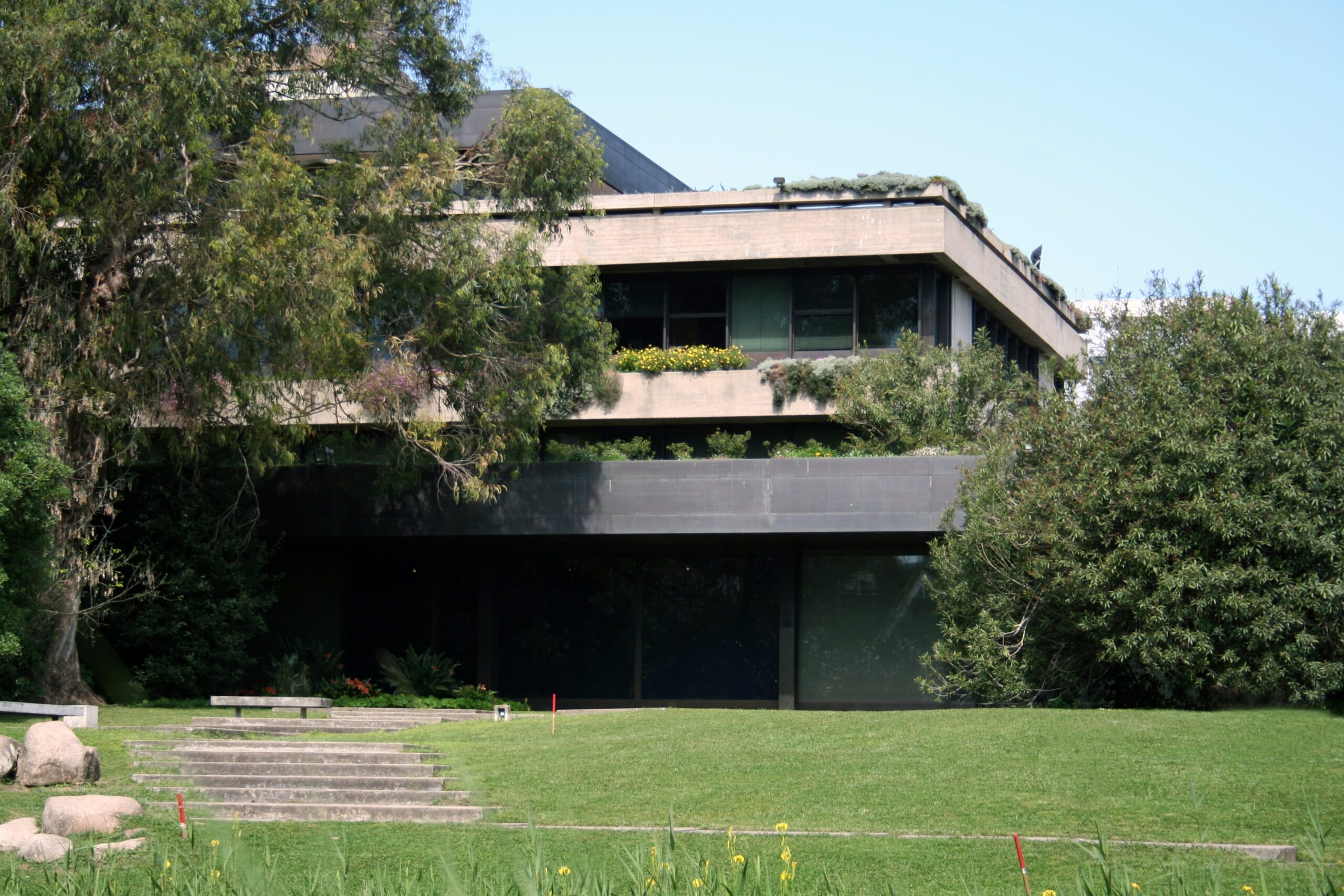
Campolide
Belém
Belém
Campolide
Belém
Rossio, Alfama
Algés
Cascais
Rossio, Alfama
Algés
Cascais
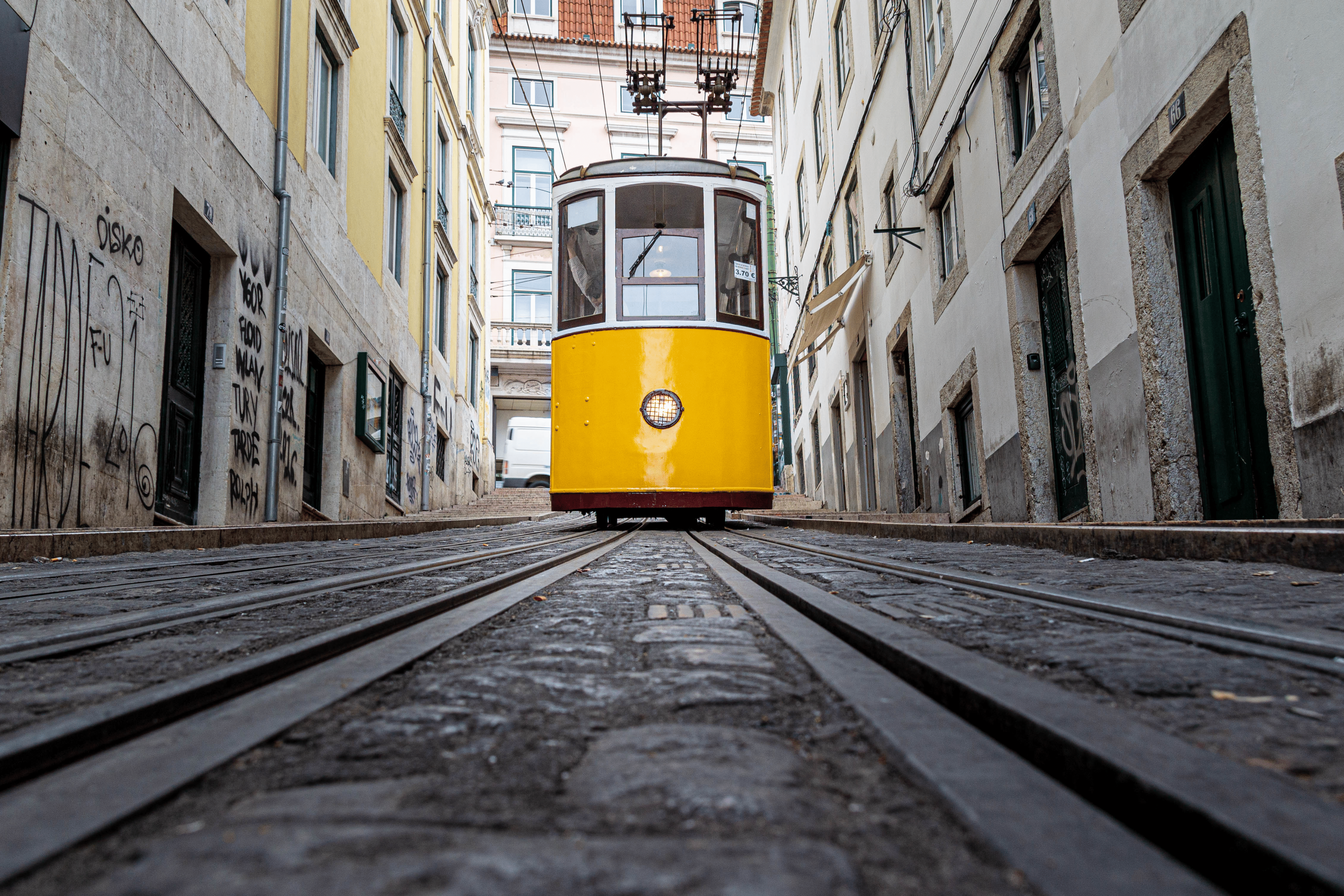
Extensive network including historic Tram 28
Direct connections to Porto, international routes
Major international hub with city connections
Growing network of bike lanes
Extensive network including historic Tram 28
Direct connections to Porto, international routes
Major international hub with city connections
Growing network of bike lanes
Lisbon is older than Rome, founded by the Phoenicians
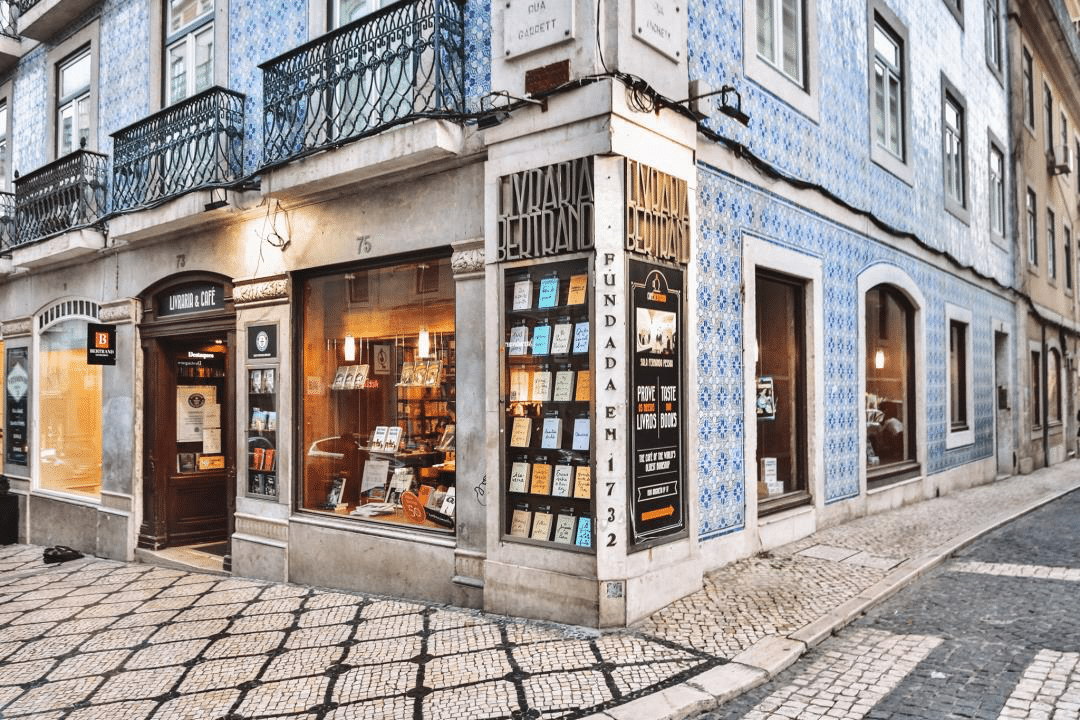
Home to the world's oldest bookstore, Bertrand (1732)
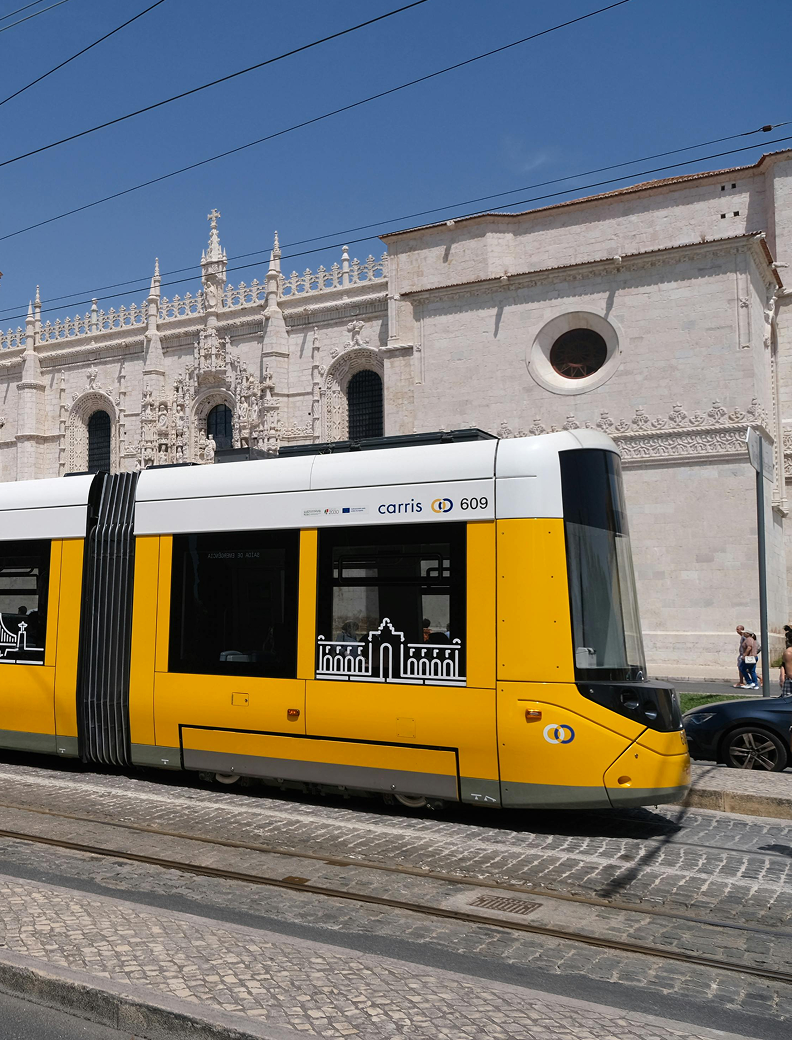
Lisbon’s iconic yellow trams began as horse-drawn carriages in 1873 and became electric in 1901
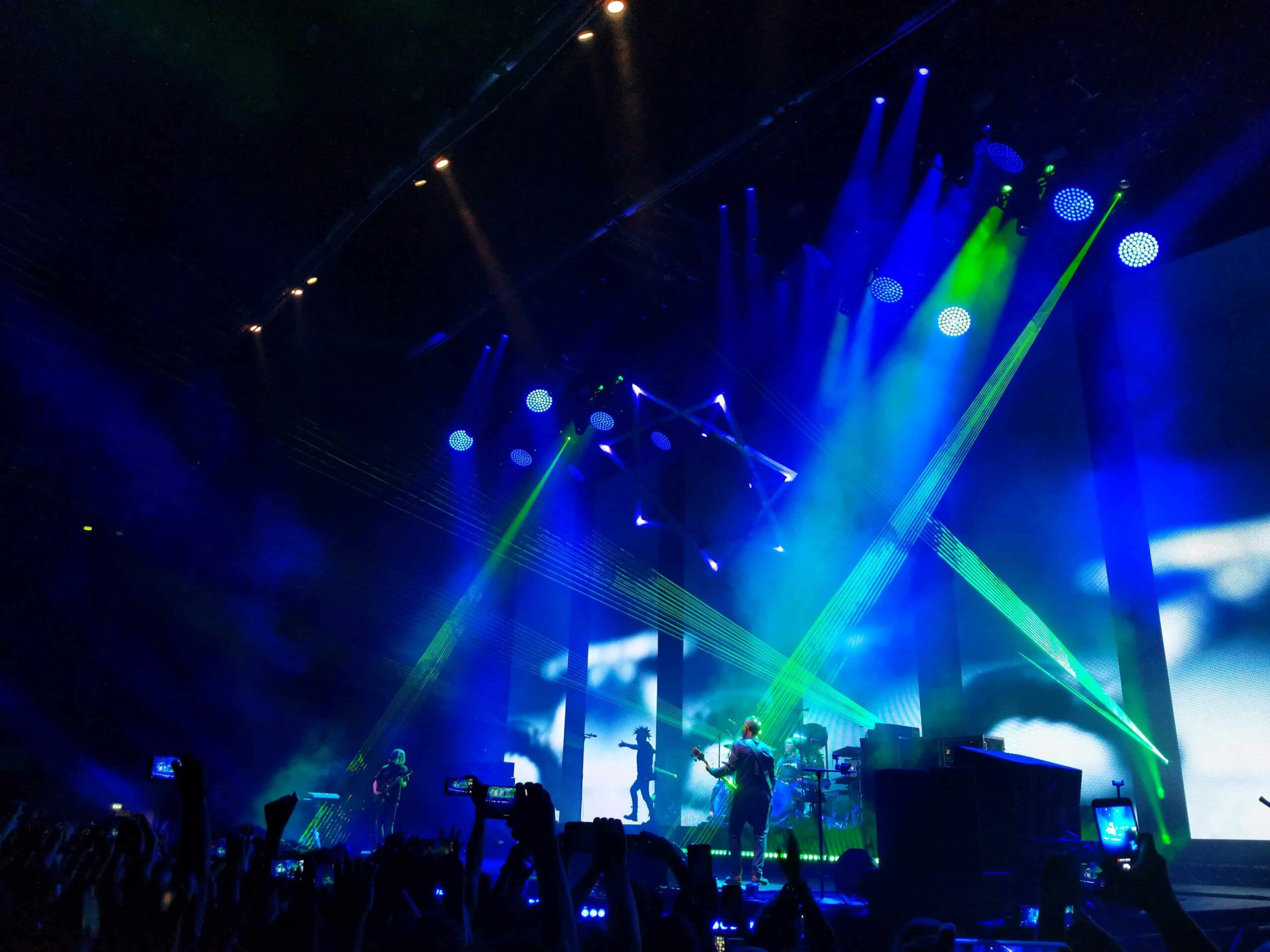
Fado is a UNESCO-recognized symbol of Portuguese culture
Lisbon is older than Rome, founded by the Phoenicians
Home to the world's oldest bookstore, Bertrand (1732)
Lisbon’s iconic yellow trams began as horse-drawn carriages in 1873 and became electric in 1901
Fado is a UNESCO-recognized symbol of Portuguese culture
teste
teste
12312312
12312312
dadasdas
dadasdas
hgfhhfg
hgfhhfg