
Study in Portugal:
Your Gateway to a Global Future
With world-class education and a welcoming international community, Portugal is where potential meets opportunity.
We invite you to join this journey and begin your own story.
Are you ready?
Higher Education Landscape

Study with Distinction
Home to world-renowned institutions Portugal offers an increasingly strong academic profile in international rankings including Shanghai Academic Ranking of World Universities (ARWU); QS World University Rankings; Times Higher Education (THE) World University Rankings; Center for World University Rankings (CWUR).
As part of the European Higher Education Area (EHEA), Portuguese higher education combines academic quality, international recognition, and a student-friendly European experience, enriched by vibrant student traditions that make campus life truly memorable.

Quality & Standards
All higher education institutions and study programmes are subject to quality assurance and accreditation through A3ES, the national agency responsible for evaluating and accrediting higher education in Portugal. A3ES is internationally connected through leading quality networks such as ENQA, EQAR, CHEA, and ECA, reinforcing Portugal’s commitment to recognised academic standards.

Types of Institutions
The higher education system is divided into universities and polytechnic universities, which can be either public or private. Universities are generally more academically focused and research-oriented, while polytechnics emphasise applied knowledge, professional training, and close links to industry. Both award nationally accredited bachelor’s, master’s, and doctoral degrees that are internationally recognised, making it easier for graduates to pursue further studies and career opportunities in Europe and many other countries.
Learn more about the Portuguese Higher Education System.

Multicultural Environment
A thriving international student community brings diversity and multiculturalism to campuses across the country, with English-taught programs widely available. Portuguese universities actively support international integration through buddy programs, cultural exchange activities, and dedicated international student services.
Academic Degrees
The academic year is divided in two semesters, the first starting in September and ending in January/February, and the second from February to June/July.
Polytechnic Education
University Education
Short cycle
CTeSP (Technical Professional Higher Course)
120 ECTS
2 years / 4 semesters
2 years / 4 semesters
1st Cycle
Undergraduate Degrees
Licenciatura (Bachelor's Degree)
180 - 240 ECTS
3-4 years / 6 - 8 semesters
3-4 years / 6 - 8 semesters
Licenciatura (Bachelor's Degree))
180 - 240 ECTS
3-4 years / 6-8 semesters
3-4 years / 6-8 semesters
Mestrado Integrado (Integrated Master's) (1st and 2nd Cycles)
300 - 360 ECTS
5 -6 years / 10 - 12 semesters
For degrees that allow access to regulated professional activities such as Medicine, Architecture, etc.
5 -6 years / 10 - 12 semesters
For degrees that allow access to regulated professional activities such as Medicine, Architecture, etc.
2nd Cycle
Graduate Degrees
Mestrado (Master's Degree)
90 - 120 ECTS
1.5 - 2 years / 3 - 4 semesters
In some exceptional cases:
60 ECTS / 2 semesters
1.5 - 2 years / 3 - 4 semesters
In some exceptional cases:
60 ECTS / 2 semesters
Mestrado (Master's Degree)
90 - 120 ECTS
1.5 - 2 years / 3 - 4 semesters
In some exceptional cases:
60 ECTS / 2 semesters
1.5 - 2 years / 3 - 4 semesters
In some exceptional cases:
60 ECTS / 2 semesters
3rd Cycle
Doctoral Degrees
Doutoramento (Doctoral Degree)
Usually 180 - 240 ECTS
3 -4 years / 6 - 8 semesters
3 -4 years / 6 - 8 semesters
Doutoramento (Doctoral Degree)
Usually 180 - 240 ECTS
3 -4 years / 6 - 8 semesters
3 -4 years / 6 - 8 semesters
Short cycle
Polytechnic Education
CTeSP (Technical Professional Higher Course)
120 ECTS
2 years / 4 semesters
2 years / 4 semesters
1st Cycle
Undergraduate Degrees
Polytechnic Education
Licenciatura (Bachelor's Degree)
180 - 240 ECTS
3-4 years / 6 - 8 semesters
3-4 years / 6 - 8 semesters
University Education
Licenciatura (Bachelor's Degree))
180 - 240 ECTS
3-4 years / 6-8 semesters
3-4 years / 6-8 semesters
Mestrado Integrado (Integrated Master's) (1st and 2nd Cycles)
300 - 360 ECTS
5 -6 years / 10 - 12 semesters
For degrees that allow access to regulated professional activities such as Medicine, Architecture, etc.
5 -6 years / 10 - 12 semesters
For degrees that allow access to regulated professional activities such as Medicine, Architecture, etc.
2nd Cycle
Graduate Degrees
Polytechnic Education
Mestrado (Master's Degree)
90 - 120 ECTS
1.5 - 2 years / 3 - 4 semesters
In some exceptional cases:
60 ECTS / 2 semesters
1.5 - 2 years / 3 - 4 semesters
In some exceptional cases:
60 ECTS / 2 semesters
University Education
Mestrado (Master's Degree)
90 - 120 ECTS
1.5 - 2 years / 3 - 4 semesters
In some exceptional cases:
60 ECTS / 2 semesters
1.5 - 2 years / 3 - 4 semesters
In some exceptional cases:
60 ECTS / 2 semesters
3rd Cycle
Doctoral Degrees
Polytechnic Education
Doutoramento (Doctoral Degree)
Usually 180 - 240 ECTS
3 -4 years / 6 - 8 semesters
3 -4 years / 6 - 8 semesters
University Education
Doutoramento (Doctoral Degree)
Usually 180 - 240 ECTS
3 -4 years / 6 - 8 semesters
3 -4 years / 6 - 8 semesters
All degrees are aligned with the European Qualifications Framework (EQF) and the National Qualifications Framework (QNF), ensuring global recognition and mobility. For regulated professions like Medicine, Architecture, and Engineering, Portugal offers Integrated Master's, combining bachelor's and master's levels in a single 5-6 year program.
*The academic year is divided in two semesters, the first starting in September and ending in January/February, and the second starting between February and June/July.
Discover Study & Research Opportunities in Portugal
Loading programmes…

Financing & Community Support
Portugal offers comprehensive financial support for international students through multiple funding channels.

Tuition Fees
Fees vary depending on the type of institution and the cycle of studies:
-
Public Higher Education: Tuition fees (propinas) for international students are set independently by each public higher education institution, in accordance with their specific regulations.
-
Private Higher Education: Private institutions establish their own tuition fees and any additional administrative charges for all study cycles.
Interested candidates should check the specific costs directly with their target institution.

How to Fund Your Studies
There are different ways to fund your studies. Besides the possibility of finding a part-time job or scholarships, you can consider institutional support programmes and student loans:
- International Student Support: Prospective students should contact their target institution directly to inquire about potential internal support initiatives or financial aid available for international students.
- Bank Loans: Various banks and financial institutions provide specialized loans to finance studies in higher education. We recommend consulting banking institutions directly for the most up-to-date conditions.

Other Funding Sources & Foundations
Explore private and public entities that offer dedicated scholarship programs for international students.
International & Cultural Grants: Camões Scholarship (Language & Culture), Fullbright US Scholarships (For US students), CAPES (For Brazilian students), DAAD (German Academic Exchange Service).
Major Portuguese Foundations: Calouste Gulbenkian Foundation, FLAD (Luso-American Development Foundation), Fundação Oriente, Fundação Cidade de Lisboa, Millennium BCP Foundation, Santander Universidades.
You can search for scholarships on search engines like European Funding Guide or Scholarship Portal.

Part-time Jobs
Many students complement their budget with part-time work. You can search for opportunities in Portugal through these specialized portals:
- Professional Networking: LinkedIn Portugal
- Job Search Engines: Jooble, Expresso Emprego, Trovit Emprego.








How to Apply
1


2
3
4
Higher professional technical courses (2 years).
Find your Course
Explore the Technical Higher Professional Courses (TeSP), offered mainly by Polytechnics.
Check Admission Rules
Confirm if your secondary education diploma (or vocational/professional course) gives access to a TeSP and whether there are specific prerequisites (e.g. physical or vocational skills).
Prepare Documentation
Have your ID, secondary school certificate, grades and any required exams ready; if issued abroad, they may need legalization, translation and recognition.
Submit Application
Applications are typically made through each institution’s portal, following their own deadlines and, when applicable, special contests for vocational graduates or international students.
To ensure a successful application, gather the following:
- Identification: Valid ID Card or Passport.
- Academic Records: Secondary or Higher Education diplomas (legalized and translated).
- Exams: Results of required entrance exams or equivalent qualifications.
- Language Skills: Proof of proficiency (Portuguese or English) as required by the course.
- Health: Health insurance or European Health Insurance Card (EHIC).
- Logistics: Curriculum Vitae (CV), Motivation Letter, and a photograph.
- Specifics: Portfolio (for arts) or Research Draft (for PhDs).
Note: The final list of required documents must be confirmed upon application, directly with the higher education institution.
- Semester 1: Starts Sept/Oct – Ends Jan/Feb.
- Semester 2: Starts Feb – Ends June/July.
- Holidays:
- Christmas: Dec 25th + Winter break.
- Carnival: Feb/March.
- Easter: March/April.
- Summer: July and August.
- Main Application Window: International student call for applications usually open as early as January. For precise dates and details, please consult your target higher education institution.
Including Integrated Masters.
Confirm your Status
EU students usually apply through the National Contest (public) or institutional contests (private) and may use special contests (over 23, CET/TeSP, vocational graduates, etc.). International students apply under the “International Student” regime, if they are non‑EU citizens and have not been residing legally in Portugal for more than 2 years.
Entrance Exams
Check which entrance exams count for your course: national final exams, recognized foreign exams (IB, SAT, Gaokao, etc.), or specific tests set by the institution.
Legalize Documents
Gather your secondary-education certificate and transcripts; they may require a Hague Apostille or consular legalization, as well as translation into Portuguese or English.
Submit Application
EU students follow the National Contest calendar (3 phases between July and October) for public institutions or apply directly to private ones. International students apply directly to the university’s “International Student” call, often open between January and May.
To ensure a successful application, gather the following:
- Identification: Valid ID Card or Passport.
- Academic Records: Secondary or Higher Education diplomas (legalized and translated).
- Exams: Results of required entrance exams or equivalent qualifications.
- Language Skills: Proof of proficiency (Portuguese or English) as required by the course.
- Health: Health insurance or European Health Insurance Card (EHIC).
- Logistics: Curriculum Vitae (CV), Motivation Letter, and a photograph.
- Specifics: Portfolio (for arts) or Research Draft (for PhDs).
Note: The final list of required documents must be confirmed upon application, directly with the higher education institution.
- Semester 1: Starts Sept/Oct – Ends Jan/Feb.
- Semester 2: Starts Feb – Ends June/July.
- Holidays:
- Christmas: Dec 25th + Winter break.
- Carnival: Feb/March.
- Easter: March/April.
- Summer: July and August.
- Main Application Window: International student call for applications usually open as early as January. For precise dates and details, please consult your target higher education institution.
Advanced academic degrees.
Choose your Program
Institutions have full autonomy over these cycles. Explore the faculty, curriculum, and research lines that best match your academic goals.
Check your Eligibility
Make sure your previous degree, whether Bachelor’s or Master’s, is recognized for access. Some fields may also require formal recognition of your degree level or final grade.
Prepare your Application
Gather your CV, motivation letter, and letters of recommendation. For PhD applicants, a short outline of your doctoral research project is usually required.
Complete your Enrolment
Once admitted, follow the institution’s enrolment procedures. If you are an international student (non-EU), you may also need to apply for the appropriate visa or residence permit, depending on your situation.
To ensure a successful application, gather the following:
- Identification: Valid ID Card or Passport.
- Academic Records: Secondary or Higher Education diplomas (legalized and translated).
- Exams: Results of required entrance exams or equivalent qualifications.
- Language Skills: Proof of proficiency (Portuguese or English) as required by the course.
- Health: Health insurance or European Health Insurance Card (EHIC).
- Logistics: Curriculum Vitae (CV), Motivation Letter, and a photograph.
- Specifics: Portfolio (for arts) or Research Draft (for PhDs).
Note: The final list of required documents must be confirmed upon application, directly with the higher education institution.
- Semester 1: Starts Sept/Oct – Ends Jan/Feb.
- Semester 2: Starts Feb – Ends June/July.
- Holidays:
- Christmas: Dec 25th + Winter break.
- Carnival: Feb/March.
- Easter: March/April.
- Summer: July and August.
- Main Application Window: International student call for applications usually open as early as January. For precise dates and details, please consult your target higher education institution.




















Get Inspired by
Real Experiences
Real Experiences
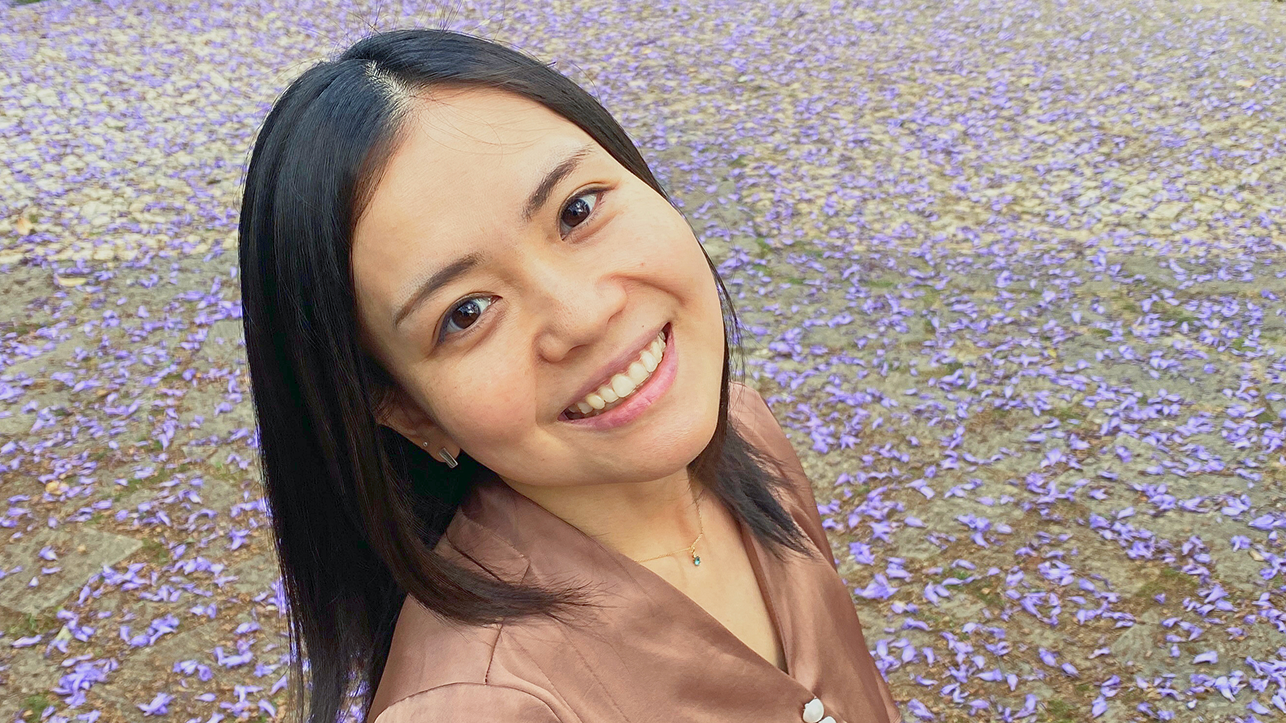
Akiko Kikuchi
PhD student
UCP

Margarida Santos
PhD student/ researcher
IPPortalegre

Sebastian Sion
Master’s degree
UAlgarve
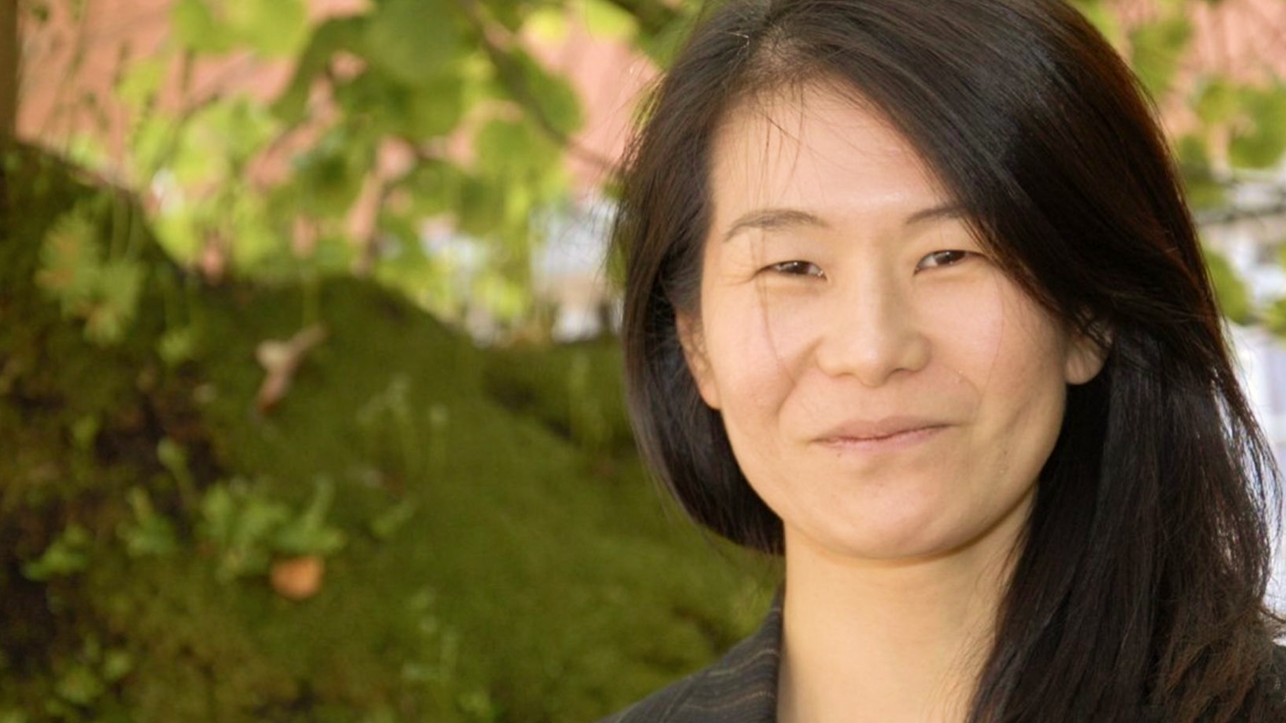
Yuko Kasę
PhD student/ teacher
UCP

Rafael Pinheiro
Researcher
IPLeiria